

Why “Legit Check” Culture Feels Bigger Than Sneakers
Trust No Longer Arrives Preloaded
This follows a familiar pattern.
“Legit check” culture looks like a sneaker story on the surface. In practice, it is a broader story about what happens when default trust gets replaced by visible verification. The product category can change. The mechanics stay the same.
A generation ago, most everyday buying decisions still carried a thin layer of assumed legitimacy. A store existed, a brand existed, a seller existed, and that was often enough to move the transaction forward. Now the baseline assumption is weaker. The object might be fake. The seller might be misrepresenting it. The listing might be recycled. The review might be manipulated. The identity behind the account might be partly staged. The proof itself might be borrowed from somewhere else.
That is why “legit check” culture feels bigger than sneakers. It is not only about counterfeit goods. It is about a consumer environment where trust no longer arrives with the product. It has to be assembled around it.

Online shopping now often includes verification work, not just browsing
The Consumer Learns to Do Platform Work
Once imitation becomes cheap, buyers take on new labor.
They compare stitching, labels, packaging, fonts, receipts, seller histories, comment sections, and side-by-side photos. They ask strangers for second opinions. They post screenshots for consensus. They learn tiny category-specific signals that used to belong to insiders, store employees, or professional resellers.
The structure rewards this behavior while discouraging trust by default.
Platforms benefit from frictionless listing and frictionless growth. Sellers benefit from appearing credible quickly. Buyers absorb the burden of sorting signal from noise. So the market teaches consumers to become amateur auditors. “Legit check” becomes a habit because the alternative is accepting that the transaction may depend on theater as much as evidence.
That is the larger pattern. The buyer is no longer just buying. The buyer is investigating.
When Credibility Becomes Performative
In lower-trust environments, authenticity stops being a stable condition and becomes a visible performance.
This is why so much online credibility now depends on signals that are designed to be seen. Screenshots of receipts. Close-up product photos. Original boxes. Order confirmations. Profile histories. Follower counts. Review density. “Trusted seller” language. Public vouching. Community approval. Familiar visual codes. The modern online marketplace runs on artifacts of trust as much as trust itself.
Some of those signals are useful. Many are partial. All of them can be imitated.
That is what makes the cycle self-reinforcing. Once proof becomes important, proof itself becomes part of the aesthetic. And once proof becomes aesthetic, people learn how to stage it. The result is not total collapse. It is something more tiring: permanent low-level doubt.
Resale Markets Only Made the Pattern Easier to See
Sneakers made this pattern visible because they combined scarcity, status, resale value, and a culture already trained to notice details.
But the same mechanics show up across luxury goods, streetwear, watches, vintage, collectibles, cosmetics, electronics, and increasingly ordinary marketplace commerce. Anywhere identity and price premiums matter, authenticity becomes a public question rather than a private assumption.
That is why “legit check” forums feel so durable. They are not just niche communities for enthusiasts. They are practical trust infrastructure built by users inside systems that do not reliably provide enough of it on their own.
Different category, same mechanics.
Luxury resale asks buyers to inspect symbols of status. Platform marketplaces ask buyers to inspect strangers. Social commerce asks buyers to inspect both at once. The purchase is no longer only about whether the item is real. It is also about whether the surrounding credibility package holds together.
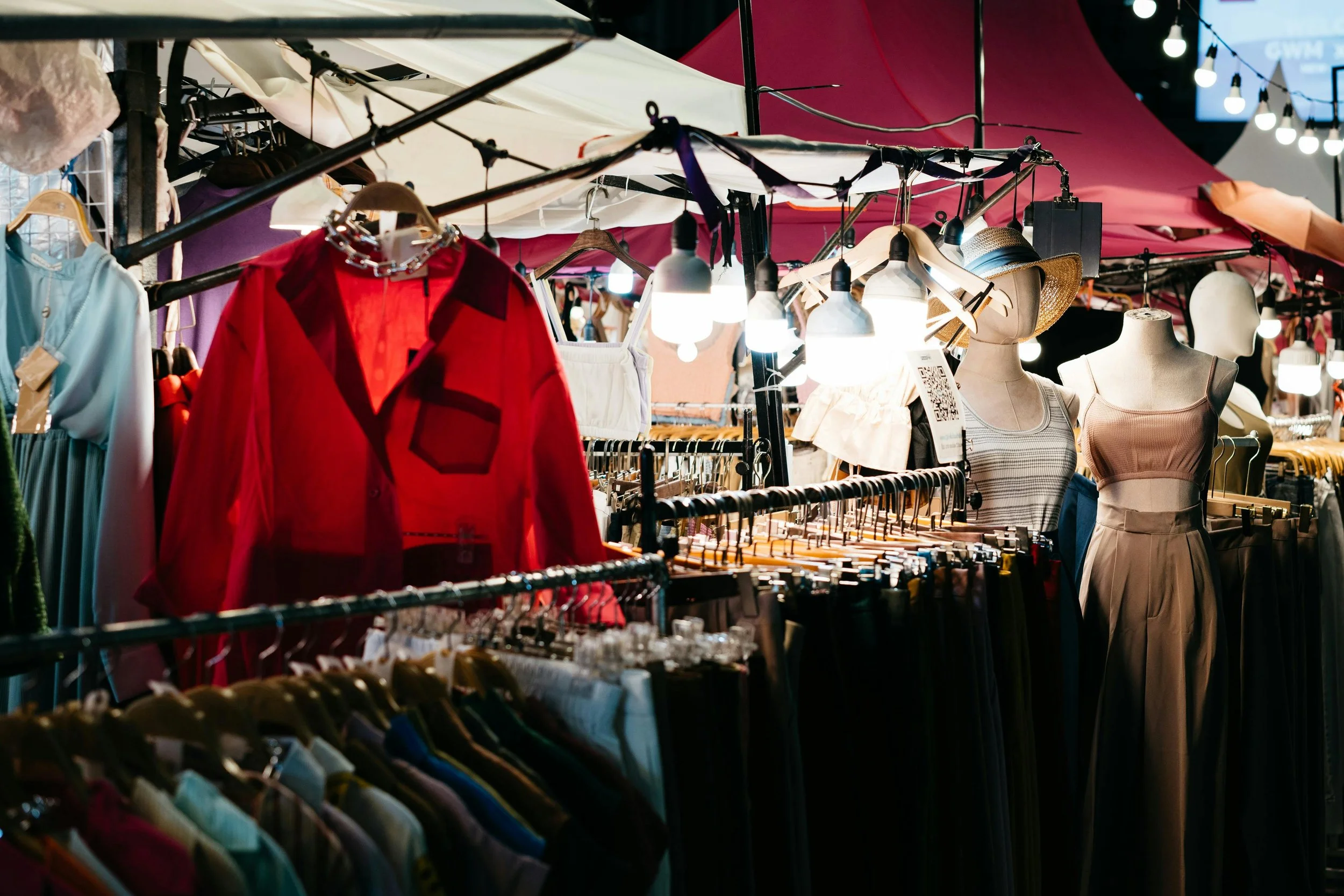
Status goods rely heavily on visible signals of authenticity
Platform Design Quietly Normalized This
Part of the reason this feels so widespread is that online buying now happens inside systems optimized for scale, speed, and participation.
Those systems are good at generating listings, engagement, and inventory-like abundance. They are less reliable at preserving context. A physical store once bundled product, seller, location, and accountability together. Platform commerce separates those layers and asks interface design to stand in for certainty.
In practice, this works differently than advertised.
The promise is convenience. The lived experience is selective vigilance. Buyers learn that clean design is not the same as credible supply. They learn that a polished storefront, an active profile, or a pile of reviews can reduce uncertainty without removing it. They learn that platform trust badges are helpful until they are not. So they keep checking.
That is not consumer paranoia. It is adaptation.
Identity-Heavy Online Spaces Run on the Same Logic
The reason this pattern travels beyond products is that online identity now operates under similar conditions.
People also “legit check” personas, expertise, taste, and belonging. Is this person actually who they say they are. Did they really buy that. Do they know the culture they are speaking in. Are they early, or are they performing early. Is this recommendation genuine, sponsored, copied, or strategically framed. Is this community organic, or is it assembled for optics.
The language changes, but the structure remains the same.
In identity-heavy spaces, authenticity is no longer assumed because status is too easy to simulate. The internet lowered the cost of copying not just products, but signals. Style can be copied. Fluency can be copied. Backstory can be copied. Aesthetic can be copied. Even skepticism can be copied.
So the audience develops the same reflex it uses in resale: inspect, compare, verify, ask the group.

Online identity now gets evaluated through the same verification logic as products
This Is What an Authenticity Crisis Looks Like at Consumer Level
Taken in isolation, a legit-check post feels minor. Zoomed out, it reflects a larger shift.
The broader authenticity crisis online is not that fakes exist. Fakes have always existed. The shift is that imitation has become faster, cheaper, and more scalable, while trust has become more visual, more social, and more performative. That combination changes everyday behavior.
It produces a consumer who expects uncertainty by default.
It produces communities organized around verification.
It produces marketplaces where confidence comes from layered signals rather than simple institutional trust.
And it produces a culture in which “real” is not a stable category but an ongoing claim that needs support.
That is why this feels bigger than sneakers. Sneakers just made the pattern easy to name.
Clarification: This Is Not About Saying Nothing Is Real
None of this means authenticity has disappeared. It means authenticity no longer travels well on its own.
Real products still exist. Real expertise still exists. Real communities still exist. But in a crowded online environment, reality often has to compete with highly competent imitation and highly polished presentation. That does not erase the original. It just means the original no longer gets effortless recognition.
So people compensate by building informal trust systems around the object, the seller, or the persona.
Forums do it.
Comment sections do it.
Group chats do it.
Resale platforms do it imperfectly.
Consumers do it constantly.
The collapse is not total trust. It is default trust.
Why the Pattern Will Keep Repeating
None of this is new. It is just more visible now.
As long as the incentives reward scale, visibility, and frictionless participation, consumers will continue doing verification work that institutions and platforms do not fully absorb. And as long as status can be imitated cheaply, authenticity will keep shifting from something assumed to something performed, debated, and re-verified in public.
That is the real significance of legit-check culture.
It is the consumer-facing version of a wider environment where trust is no longer ambient. It has to be produced on demand.
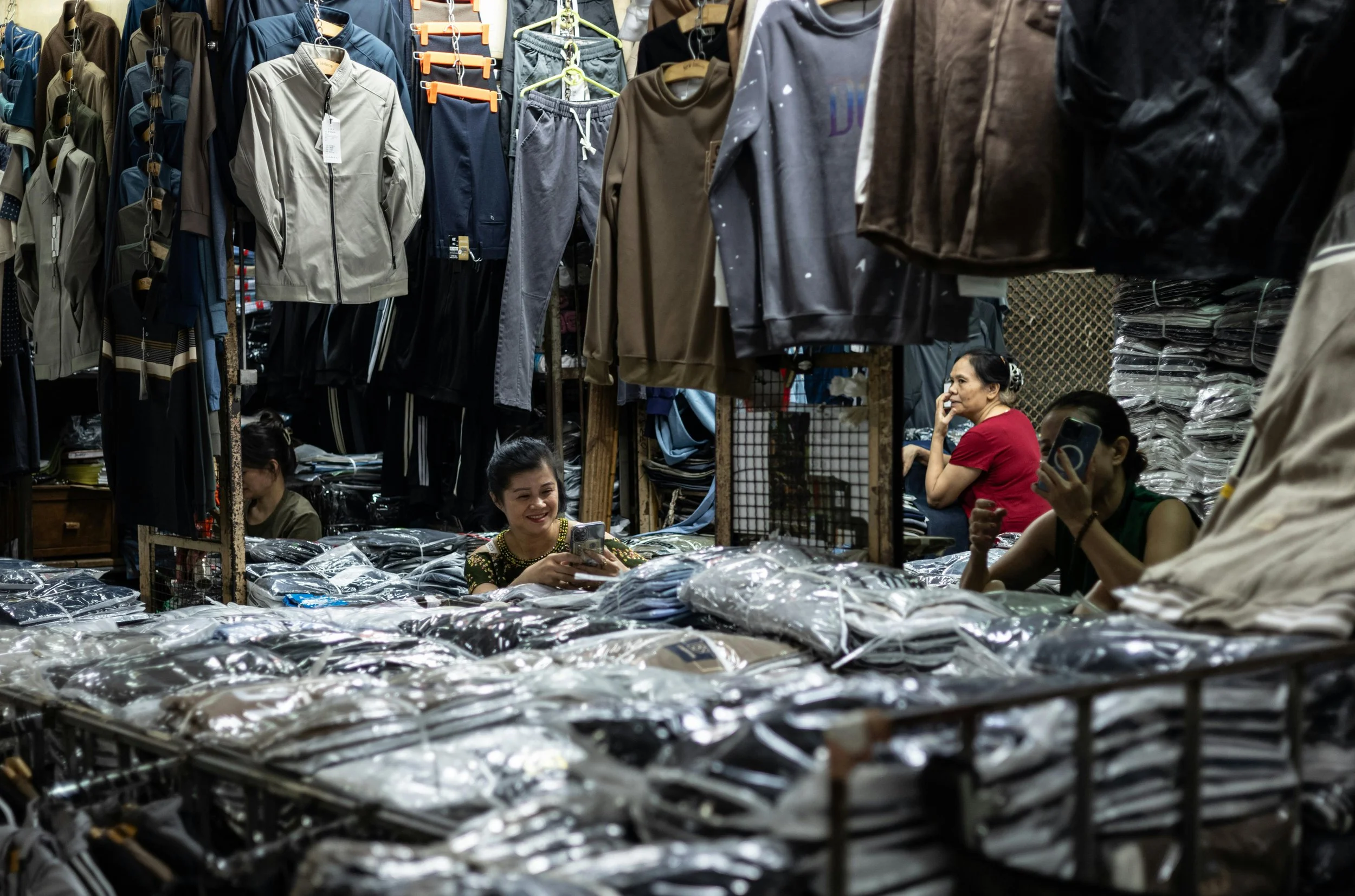
Platform abundance increases choice, but not always certainty