

The Return of the Mediterranean Diet Follows a Familiar Pattern

The Mediterranean diet’s appeal is not just about ingredients. It is also about what those ingredients represent.
The Mediterranean diet is back in circulation, but the return itself is not especially new.
This follows a familiar pattern. An older, established way of eating gets rediscovered whenever the newer food system starts to feel too narrow, too optimized, or too difficult to live with.
What looks like a renewed interest in one diet is usually something broader. It is often a correction cycle.
What keeps coming back
On the surface, the return is easy to describe.
Olive oil comes back. Beans come back. Fish, vegetables, grains, slower meals, and the general language of balance all come back with it.
But what keeps returning is not just a list of foods. What returns is the promise of a food culture that still appears to allow pleasure, routine, and moderation at the same time.
That combination matters because many modern diet cycles eventually become hard to sustain in ordinary life.
They may begin as useful corrections. Over time, they tend to become systems of tracking, purity, optimization, and identity.
Once that happens, an older framework starts to look less like tradition and more like relief.
Why the rediscovery keeps happening
The structure rewards food systems that can be simplified, named, and repackaged.
That creates a predictable cycle. First, a diet rises because it offers control. Then it spreads because it offers clarity. Eventually it becomes exhausting because control and clarity harden into constant management.
At that point, the market becomes receptive to a softer alternative.
The Mediterranean diet tends to benefit from this shift because it can be framed as both proven and aspirational.
It sounds grounded enough to feel trustworthy. It also looks attractive enough to travel well through magazines, cookbooks, wellness media, and social platforms.
Different context, same mechanics.
The pattern is bigger than nutrition
This is not only about health.
It is also about what consumers reach for when too many parts of daily life begin to feel engineered.
When routines become over-optimized, people start looking for formats that appear older, slower, and less artificial. The same instinct shows up in vintage denim, record players, film cameras, old recipes, regional cooking, heritage cookware, and the broader return of anything that seems to come from a period before everything became an interface.
That does not mean the past is being restored in any complete way.
Usually, only the most legible parts return. The parts that can be photographed, summarized, sold, and fit into modern schedules survive the translation.
So the return of the Mediterranean diet belongs to a wider nostalgia cycle. It benefits from the same consumer preference for things that feel textured, human-scale, and less aggressively optimized.
Why older systems gain value after new ones fatigue
Most contemporary food systems are built for legibility.
They work well in headlines. They work well in apps. They work well as challenges, identities, and purchase categories.
They do not always work as ordinary life.
That gap matters. A food system may be coherent on paper and still produce friction in practice.
Once enough people feel that friction, older frameworks gain new value. Not because they are newly invented, but because they appear to solve problems the newer system created.
The Mediterranean diet often enters at exactly that point.
It is less dependent on intensity. It allows a wider range of foods. It sounds less punitive. It suggests stability without demanding total conversion.
That combination makes it useful in backlash cycles.
What the rebrand tends to flatten
The Mediterranean diet is usually sold as a menu of approved ingredients.
That is the most portable version, but it is also the thinnest one.
What gets flattened is the surrounding structure that made the pattern coherent in the first place: shared meals, repetition without obsession, local food habits, movement built into daily life, less snacking as entertainment, and less pressure to treat every meal as a self-improvement project.
Once the idea is translated into modern wellness language, much of that context disappears.
The result is a familiar consumer move. A regional lifestyle with social depth becomes a universal product with interchangeable tips, shopping lists, and aesthetic cues.
In practice, this works differently than advertised.
The marketed version often preserves the ingredients while stripping away the conditions that made the broader pattern feel sustainable.
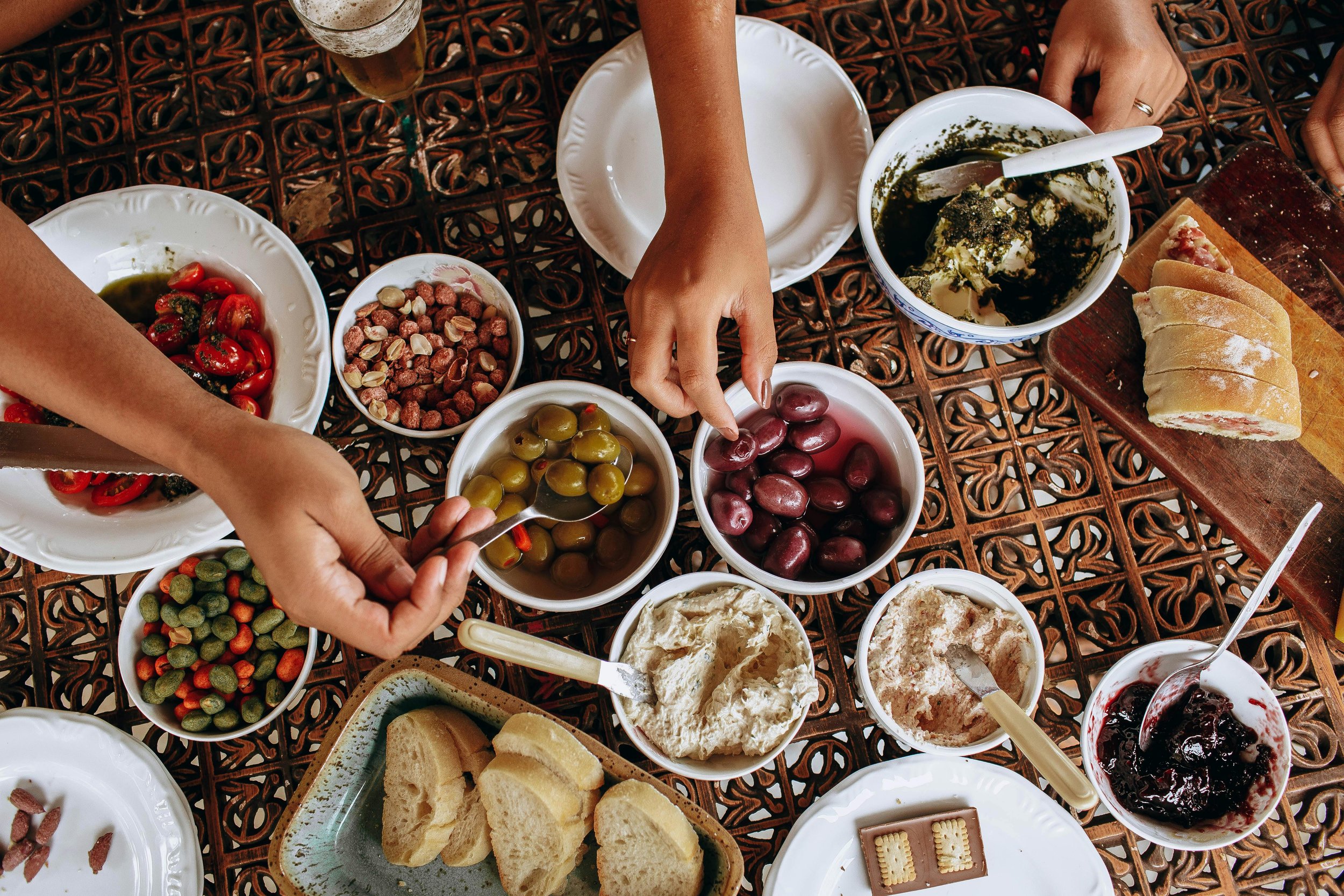
What gets flattened in the rebrand is often the surrounding structure: shared meals, repetition, and ordinary routine.
Why it feels reassuring now
Part of the appeal is nutritional. Part of it is emotional.
Many people are tired of food systems that make every choice feel like a test of discipline. They are also tired of the low-grade administrative burden that comes with constant optimization.
The Mediterranean diet tends to read as reassuring because it carries less visible strain.
It feels familiar partly because it is familiar. It has already circulated through several eras as the calmer alternative to whatever more restrictive framework dominated before it.
That repeat appearance is useful to notice.
When the same model keeps returning, it usually means the newer systems are generating the same predictable dissatisfaction.
The role of aspiration
The Mediterranean diet does not only benefit from criticism of restrictive eating.
It also benefits from aspiration that feels less embarrassing than older forms of aspiration.
This matters because food marketing has changed. People are often more skeptical of overt diet culture than they were before. They do not always want to be seen pursuing thinness, discipline, or self-denial in such direct terms.
A model like the Mediterranean diet offers a cleaner cultural position.
It can be presented as sensible rather than obsessive. Informed rather than anxious. Lifestyle-oriented rather than punitive.
That makes it easier to adopt publicly.
You are not merely following rules. You are participating in a broader image of good living: better ingredients, slower meals, a cleaner kitchen, less visible struggle.
That image has strong consumer value even when the underlying habits remain ordinary.
Why nostalgia helps it travel
Nostalgia does not only revive products. It also revives frameworks.
The Mediterranean diet benefits from this because it can be imagined as pre-digital, pre-processed, and less entangled with the exhausting logic of contemporary self-management.
Whether that image is fully accurate is almost beside the point.
Its value comes from what it represents now. It represents an older rhythm of life, or at least a marketable version of one.
That makes it useful in a culture that keeps producing friction and then selling relief from that friction.
The structure rewards whatever can be framed as both corrective and familiar.

The return is not only nutritional. It is also cultural.
What this cycle usually leads to
The longer pattern is not hard to recognize.
An older system returns. Media coverage presents it as newly relevant. Brands, publishers, and wellness intermediaries simplify it into digestible guidance. Consumers adopt a partial version. The more complicated original context gets reduced to a few repeated symbols.
Then the cycle stabilizes.
The diet stops being a culture and starts becoming a category. Olive oil becomes a signal. Tinned fish becomes a signal. Cookware, tableware, recipe books, pantry staples, and “simple” meal aesthetics become adjacent signals.
Soon the return is no longer only about eating.
It becomes part of a wider consumer language of restraint, adulthood, taste, and measured self-correction.
What the return actually signals
The renewed interest says less about one perfect diet than about what people want after years of friction.
They want something durable enough to trust, simple enough to understand, and flexible enough to live with.
They also want an approach that does not require them to perform total allegiance.
That is usually when older frameworks come back into view.
Not because the culture suddenly becomes traditional again, but because the newer systems have started asking too much in exchange for too little relief.
None of this is new.
The pattern will repeat because modern consumer culture keeps producing the same sequence: overcorrection, fatigue, rediscovery, and repackaging. The Mediterranean diet is only one of the clearer examples.